The story behind kCapture and how Procon helps Owners turn reality capture into useful information across the asset lifecycle.
Owners are responsible for their buildings and infrastructure long after the construction team leaves. But getting a clear picture of what is happening across a project, or what happened during construction years earlier, isn’t always easy.
Site visits provide a moment-in-time view. Photos can be scattered across phones, folders and systems. And when construction is complete, facility teams can inherit an asset without the full visual history of how it came together.
We thought there should be a better way.
Seeing the Potential of Reality Capture
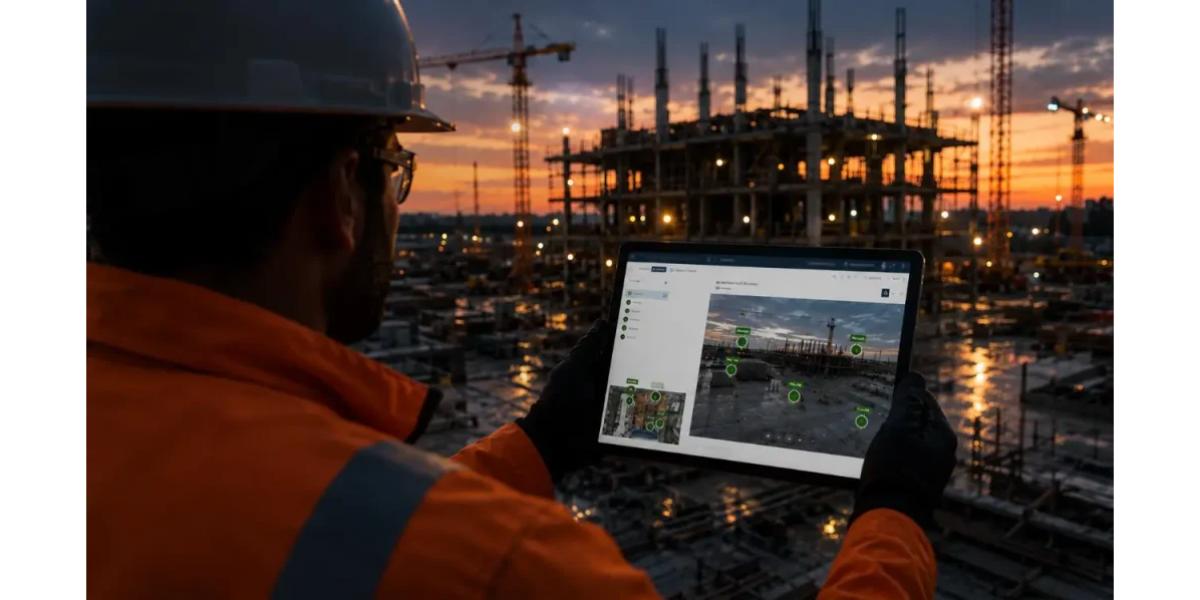
Reality capture gives Owners a consistent, time-stamped visual record of their assets.
During construction, that record provides greater visibility into progress and changing site conditions, adds context when questions arise and documents issues before they are covered. After closeout, it gives facility teams a historical view of the asset to inform future maintenance, renovations, facility condition assessments and other decisions.
For federal Owners, however, there was a gap between that potential and the tools available to achieve it.
Procon saw an opportunity to help close that gap.
An Opportunity to Build It Differently
Procon has a longstanding relationship with Kahua and deep experience helping Owners implement technology across complex projects and programs. So when the opportunity arose to work with Kahua on a new approach to reality capture, we wanted to be involved from the beginning.
Years of implementation experience shaped our perspective. What the technology could do was only part of the equation. How it would fit into project workflows, connect with other information, scale across a portfolio and serve both project and facility teams mattered just as much.
That perspective helped inform our involvement in the development of kCapture.
Built In, Not Bolted On
Instead of adding another standalone application to an Owner’s technology stack, kCapture is embedded directly into Kahua’s FedRAMP-authorized project management platform.
Visual information lives alongside the drawings, RFIs, forms, observations and other records teams already use to manage their work. Captures can be time-stamped and tied to drawings, providing both the visual record and the context surrounding it.
An isolated photo may answer one question. A connected visual record helps Owners understand what changed, see conditions remotely, add context when issues arise and preserve a history of what was actually built.
And when construction ends, the value of that information doesn’t have to end with it.
Capturing Information Is Only the Beginning
Technology alone doesn’t create a useful visual record.
Owners need to determine what should be captured and how often, establish consistent standards across projects and integrate reality capture into existing workflows. And if facility teams will use the information years later, their needs should be considered before construction is complete.
Capturing more information isn’t the goal. Making that information useful is.
That implementation perspective is why Procon wanted to be involved with kCapture from the beginning. We brought years of experience helping Owners put technology to work and an understanding of what it takes to make reality capture useful across projects, programs and assets.
From Technology to Implementation
Now that kCapture is available, that work continues.
Kahua provides the technology. Procon helps Owners determine how kCapture fits within their broader project delivery and asset information environment.
Our Technology Solutions team provides implementation and advisory support including:
- Reality capture strategy and standards: defining what should be captured, when and how
- PMIS and workflow integration: incorporating kCapture into existing project processes and information flows
- Project and portfolio deployment: creating an approach that works for one project and scales across a program or portfolio
- Capture protocols and governance: establishing roles, responsibilities and standards for managing visual information
- User adoption and training: helping project and facility teams incorporate kCapture into the way they work
- Data and asset lifecycle planning: determining how visual information can support turnover and long-term facility operations
The objective isn’t simply to implement another piece of software. It’s to give Owners better visibility into their assets and information they can use throughout the asset lifecycle.
The result is more than a record of what was built. It’s information Owners can use to make better decisions about their assets for years to come.